Drilling and Fracking Equal Jobs. Does Biden Understand That?
COMMENTARY
Published Nov. 2, 2020 • Read time: 4m
Throughout the presidential campaign, Joe Biden has attacked the oil and gas industry before some audiences and tried to walk back his statements before others.
“I am not banning fracking, no matter how many times Donald Trump lies about me,” he said during a campaign stop in Pittsburgh in August. But then, during his October 22 debate with President Trump, Biden explicitly said that he would “transition away from the oil industry.”
By openly acknowledging his hostility toward one of the most reliable and affordable sources of energy, Biden may have made the most serious misstep of his campaign.
Where does the former vice president stand on energy? Voters deserve to know, because so much of our economy relies on oil and natural gas – especially in swing states like Pennsylvania.
Is Biden simply presenting a different face to different constituencies? In September 2019, Biden told a young girl, “Kiddo . . . look in my eyes: I guarantee you, we are going to end fossil fuels.” But the Pennsylvania voters who rely on affordable energy aren’t looking for the same message as Green New Deal idealists.
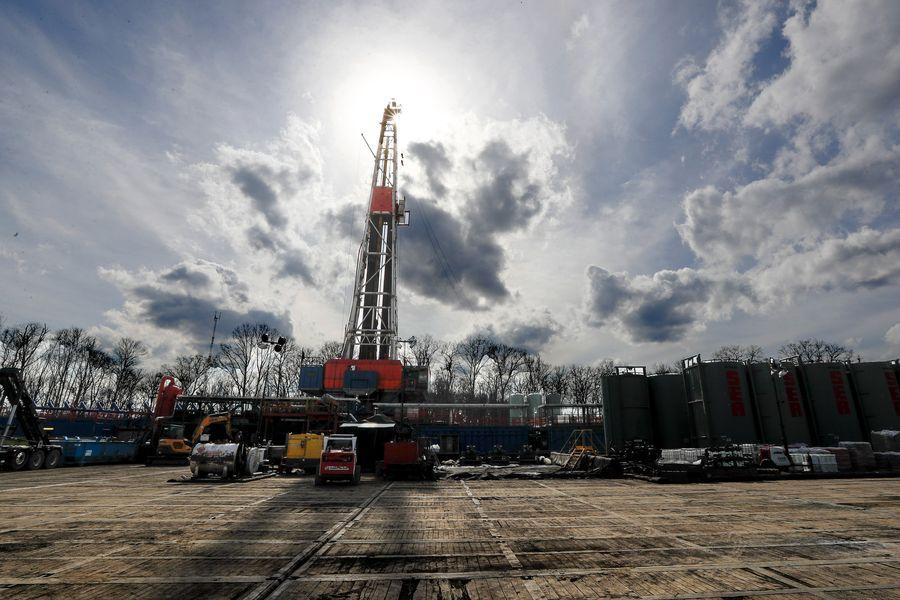
Many environmentalists don’t really understand how hydraulic fracturing (“fracking”) works or why it’s so crucial to the energy and other petroleum-related industries. In recent decades, developments in fracking technology have dramatically increased the number of flow points for crude oil and natural gas from each drilling site – increasing output while reducing the overall number of drill points.
Senate Heads Toward Approval of Keystone XL Pipeline Bill
GOP Senators Make Case for Keystone; Scott Walker Off To N.H.; FDR on Baseball
New GOP Senators Make Economic Case for Keystone
GOP Stays Stubborn About Climate Change
Most important, hydraulic fracturing has made the natural gas revolution possible in Pennsylvania – and, in 2019, it helped make America energy-independent for the first time in 62 years. Pennsylvania ranks as the nation’s second-largest producer of natural gas, third-largest producer of coal, 16th-largest producer of crude oil, and third-largest producer of electricity.
The state’s energy prowess owes substantially to geological destiny. Pennsylvania sits firmly atop the Marcellus Shale, an enormous formation that runs from upstate New York to West Virginia. But not until the mid-2000s – when drillers applied modern fracking techniques pioneered in Texas – did the energy industry discover Pennsylvania’s bounty of this natural resource. The Marcellus Shale contains an estimated 84 trillion cubic feet of natural gas, making it perhaps the largest natural gas field in the country. Utica Shale, another massive formation, also runs beneath Western Pennsylvania.
In the past decade, fracking enabled drillers to reach the gas trapped in that shale quickly and cheaply, creating tens of thousands of jobs in the shale and pipeline service industries alone. No wonder, then, that Biden changes his tune whenever he travels to the Keystone State. But Pennsylvania voters, especially in the state’s western swing counties, are skeptical about his intentions toward energy.
In an interview for Market Watch, Greene County’s Charles Chambers, 69, called Biden’s debate promise to end oil disturbing. “Fracking is huge,” Chambers said. “I’m standing in my backyard right now and looking at a well on the hill over from my house. A lot of jobs, well-paying, living [wage] jobs are because of fracking.”
Biden doesn’t seem to understand that jobs is the top issue for many voters. Concerns about fathers, brothers, and friends out of work will send millions to the polls.
Biden’s campaign claims that his energy plan would eliminate carbon dioxide emissions from power plants by 2035 and “put the United States on an irreversible path to achieve net-zero emissions, economy-wide, no later than 2050.” The plan draws heavily on recommendations from the Biden-Sanders Unity Task Force, chaired by Rep. Alexandria Ocasio-Cortez of New York, whose notorious Green New Deal proposes ending fossil-fuel use in the U.S. The task force also recommends that the U.S. rejoin the U.N. Paris Climate Accord, which Trump vacated because it severely restricted America’s competitive edge in energy production.
It’s not complicated to determine what all this would mean for Pennsylvania.
The Institute for Energy Research cites figures showing that a Biden ban on fracking could cost the state more than 600,000 jobs over the next five years, along with a $261 billion reduction in GDP. In addition, the ban would increase the cost of living by $4,654 per capita for goods and services, while reducing household incomes by about $114 billion.
Now busy assuring Pennsylvanians that he won’t ban fracking, Biden has either had an epiphany, or he’s prevaricating when addressing state residents who he knows may decide the election. It’s up to Pennsylvania voters to determine which explanation is more plausible.

A RealClear Thanksgiving: Investing in a Better Future
David DesRosiers • RealClearPolitics
Trump’s Newsom Problem: Antagonist-in-Chief
Carolina Lumetta • RealClearPolitics
America’s Free Spirit
John Maxwell Hamilton • RealClearPolitics
The GOP Majority Should Go Out in Glory
Daniel McCarthy • RealClearPolitics
Republican Majorities Could Return Sooner Than Expected
J.T. Young • RealClearPolitics
The Danger Before the Attack
Leslie J. Sullivan • RealClearPolitics
RCP Today
Top stories on RealClearPolitics
The Takeaway
Polling intelligence and analysis delivered to your inbox
World News
Featuring the latest world news
Policy
Featuring the latest policy news
Support Our Mission
As part of RealClearPolitics, authors aim to provide balanced, non-partisan analysis by presenting top reporting and commentary from all sides of the political spectrum.
Trusted by policymakers and citizens alike since 2000