
Michigan Senators' Problematic Pensions
COMMENTARY
Published May 27, 2020 • Read time: 4m
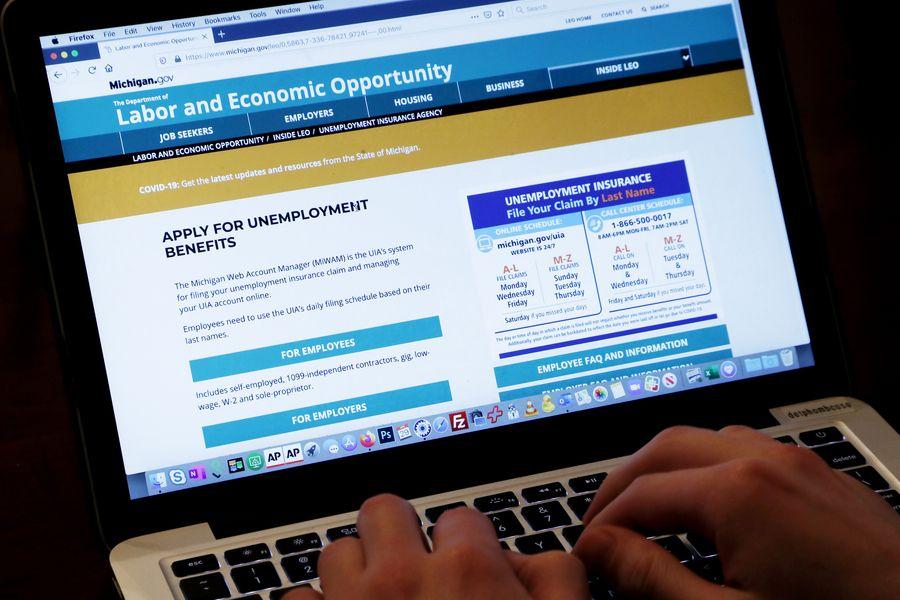
The headlines scream “depression level” unemployment as nearly a quarter of the state's workers have been forced to depend on the state’s unemployment insurance for income.
Over 20% out of work means the Great Lakes State had the second-highest unemployment rate in the country in early May. Michiganders are hurting more than ever, relying on food banks, government checks, and local community support for basic survival.
This has come at no small cost to the state government. In the current fiscal year, Michigan’s general fund is expected to face a $3.2 billion shortfall. After enacting one of the most restrictive shutdown decrees in the country, Gov. Gretchen Whitmer expressed hope that Congress will provide aid in its next relief package. But common sense tells us that the state is going to have to make tough decisions, too. The state has already been forced to lay off 2,900 workers. Last week it was announced at least 31,000 of the state’s 48,000 employees will start furloughs.
While the state will inevitably have to tighten its belt, the U.S. senators representing Michigan may need to buy new ones as they line their pockets with state funds. U.S. Sens. Gary Peters and Debbie Stabenow are both currently collecting bloated state pensions while receiving their $174,000 annual Senate salaries. Stabenow receives around $78,000 a year from her state pension for her roughly nine years in the state legislature, while Peters receives about $50,000 a year – with an annual increase of 4%.
Kids' Lives Matter Too
In a Corner of Ohio, Lessons of 2016
2016 Presidential Election Could Decide State Legislative Races
McCaskill Says No to Run for Missouri Governor
Not even your favorite teacher from grade school collects that much pension. A teacher who has worked 30 years in the public school system and makes the average statewide salary would barely receive $36,000 per year. Meanwhile, Sen. Peters receives nearly 40% more in his pension for his eight years in state legislature in the '90s. The numbers just don’t add up.
The senators are effectively double-dipping into the pockets of Michigan residents, as both paychecks are taxpayer funded. As the coronavirus continues to devastate, this is not something taxpayers can continue to afford. The average Michigan household makes on average $54,938 a year, while both their senators rake in four times more.
If Michigan’s senators truly want to serve the people they represent and not their own self-interests, they will forgo their pensions. The state is hurting, its residents are hurting, but the senators are not. It’s hard to argue who needs it more when the senators’ yearly salary is enough to buy the average Michigan house, without touching their pensions.
The idea of Stabenow and Peters taking pay cuts and forgoing pension checks isn’t that outlandish. Stabenow and Peters’ colleagues in the Senate are taking similar actions.
Ohio Sen. Rob Portman has donated several months’ salary to organizations working to diminish the effects of the virus. Sen. Rick Scott donated $35,000 to the University of South Florida Health’s Pandemic Research & Response Fund. Arizona Sen. Martha McSally donated a month’s paycheck and suspended fundraising, instead using her platform to raise money for the Salvation Army of Arizona.
Michigan also has a great need for donations and support -- especially food pantries, which have experienced stark increases in demand. Since the pandemic-sparked lockdown, Zaman International, a food bank in Inkster, has experienced a 15-fold jump in the number of families needing food. The Food Bank Council of Michigan reported food distribution is up 40%. What’s more, need at the current level is expected to continue through summer.
If other states’ senators are doing their part, so should ours — it’s not like they can’t afford it. Public service for Peters and Stabenow has been very profitable. Over the last decade while in Washington, D.C., Peters’ net worth has more than doubled to over $4.3 million, with both of his salaries paid by taxpayers. Stabenow has collected $612,618 in state pension payments from 2010-2018 in addition to her U.S. Senate salary.
Michigan is in a crisis, and our representatives in the U.S. Senate need to act accordingly. Michigan’s workers are taking pay cuts and being laid off, while small business owners struggle to keep their shop doors open. Michiganders should call Sens. Peters and Stabenow and ask them to stop double-dipping into the pockets of taxpayers. We can’t afford it.

Jon Finer’s Old and Dangerous ‘New Approach’ to Israel
Peter Berkowitz • RealClearPolitics
The President Deserves Better
John Ullyot • RealClearPolitics
Congress Doesn’t Need Another Blame Game. It Needs To Find What’s Broken
Jarrod Bernstein • RealClearPolitics
Democrats Won the Midterms. Common Sense Won, Too
Jordanne Kemper • RealClearPolitics
The 120th Congress Shapes Up
Carolina Lumetta • RealClearPolitics
Flooding GOP Primaries With Democrats
Robert Natelson • RealClearPolitics
RCP Today
Top stories on RealClearPolitics
The Takeaway
Polling intelligence and analysis delivered to your inbox
World News
Featuring the latest world news
Policy
Featuring the latest policy news
Support Our Mission
As part of RealClearPolitics, authors aim to provide balanced, non-partisan analysis by presenting top reporting and commentary from all sides of the political spectrum.
Trusted by policymakers and citizens alike since 2000