A Rough Week for Socialism
COMMENTARY
Published April 1, 2019 • Read time: 5m
Socialist politicians have been getting a lot of attention lately but the good news is they haven’t been getting much done. Last week a major legislative setback for socialism in Washington was followed by a remarkable vote of confidence in American capitalism by investors at home and abroad.
Few pieces of legislation have enjoyed as much buzz as the Green New Deal from Rep. Alexandria Ocasio-Cortez and Sen. Ed Markey. So grand are its socialist ambitions that converting the entire U.S. health care system to government management is just one part of an economic overhaul estimated to cost as much as $94 trillion over 10 years.
But putting the Green New Deal to a vote on the Senate floor turned out to be a buzzkill for socialists. Not a single senator voted for it, all Republicans voted against, and the GOP was joined in opposition by Democrats Doug Jones of Alabama, Joe Manchin of West Virginia and Kyrsten Sinema of Arizona, along with Maine independent Angus King, who caucuses with Democrats. All the Senate Democrats running for president voted “present” even though they had all signed their names as co-sponsors of the Green New Deal.
While socialist economics was getting whacked in Washington, outside the Beltway capitalists were preparing for what could be a historic year for the creation of publicly traded corporations. On Thursday the money-losing ride-hailing service Lyft responded to huge investor demand by increasing the price of shares in its initial public offering. Despite being a distant second to Uber in the young industry of connecting riders with drivers, Lyft raised its IPO price to $72 per share and a total valuation of more than $23 billion and traded up from there.
Gavin Newsom's Misguided Redistricting Initiative
A Warning Against the Overuse of Sanctions
Open The Books on the California State Checkbook
Senate Passes Bill Addressing Heroin, Opioid Crisis
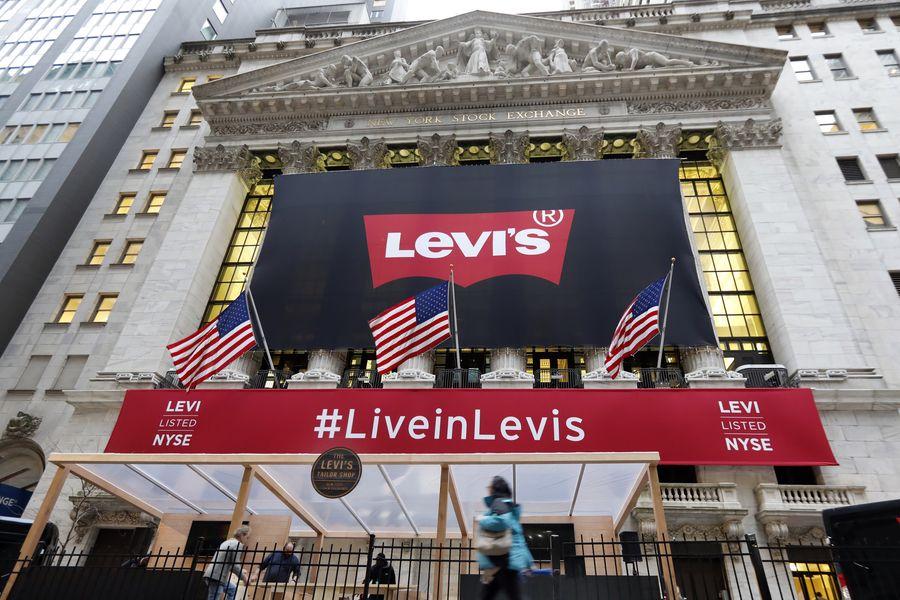
Capitalists like to talk about animal spirits in a healthy market -- the instinct to take risks and seize opportunities in an open and competitive economy. The animal spirits in this space have been so spirited and excited about the possibilities of ride-hailing and driverless cars that they’ve been pouring billions into Lyft and Uber despite years of losses. Now the capitalists who invest in U.S. stocks are showing that same spirit, and not just for young tech stars. Iconic jeans maker Levi Strauss & Co. went public last week for the second time in its 166-year history and its shares have been trading more than 30% above the offering price.
Expect Uber to also go public soon, with a valuation that may exceed $120 billion. The ride-hailing giant could be followed quickly into the public markets by other “unicorns” -- start-ups valued above $1 billion. Workplace messaging app Slack, home rental platform Airbnb, Elon Musk’s rocket company Space X, stationary bike and related media seller Peloton and photo-sharing app Pinterest are also likely 2019 IPO candidates.
Buyers should be careful because the rush to sell shares to the public may reflect in part a belief among early private investors that markets are frothy and the economy is in the later stages of a recovery. But the increasing desire of private companies to go public is also a welcome sign of a robust economy that has driven markets higher as well as policy changes focused on allowing everyday investors to own America’s most innovative companies.
Neil Dhar, a partner at accounting giant PwC, tells me that “we’re living in a bit more of a deregulated environment.” He expects a surge of IPO activity over the next several months.
Make no mistake, entrepreneurs and venture capitalists deserve the credit for creating new businesses. But when it comes to a more welcoming environment for companies considering going public, both President Trump and former President Obama helped build this.
Trump tax cuts and deregulation have driven economic growth and stock market valuations higher, enticing start-ups to sell shares to the public. Meanwhile, Trump’s Securities and Exchange Commission chairman, Jay Clayton, has been seeking to maximize the benefits of Obama’s 2012 JOBS Act, which sought to make it easier for young companies to prepare for a public offering and test investor appetite before having to make wholesale public disclosures.
A surge of new public companies would represent a big change. Backed by abundant venture capital and free of the regulatory hassles imposed on public companies, start-ups in recent years have often chosen to remain private -- even as their revenues and valuations soared. The result is a smaller menu of companies for retail investors to consider. Clayton noted last year that exchange-listed operating companies in the U.S. numbered fewer than 4,500, down about 40% from the 7,400 that were listed at the end of 1998. This means fewer options for mom-and-pop investors.
But this year should mark a sharp departure from this trend following an encouraging 2018. Renaissance Capital reports that last year the IPO market hit a four-year high with 191 IPOs and $47 billion in proceeds. 2019 should be much bigger.
A great year for new companies will require calm or rising markets, a tall order given slowing global growth and continued uncertainty about trade and interest rates. But individual investors who enjoy using apps created by companies like Uber and Pinterest should soon be able to own them, too. Just like the institutional players, individuals still want to back young and innovative companies with the potential to change the world. This is no guarantee of great returns, but opportunities that have only been available to the wealthy are becoming options for the average investor. And this could mean a lot of bad days ahead for capitalism’s critics. Could socialists get sick of losing?

A RealClear Thanksgiving: Investing in a Better Future
David DesRosiers • RealClearPolitics
Trump’s Newsom Problem: Antagonist-in-Chief
Carolina Lumetta • RealClearPolitics
America’s Free Spirit
John Maxwell Hamilton • RealClearPolitics
The GOP Majority Should Go Out in Glory
Daniel McCarthy • RealClearPolitics
Republican Majorities Could Return Sooner Than Expected
J.T. Young • RealClearPolitics
The Danger Before the Attack
Leslie J. Sullivan • RealClearPolitics
RCP Today
Top stories on RealClearPolitics
The Takeaway
Polling intelligence and analysis delivered to your inbox
World News
Featuring the latest world news
Policy
Featuring the latest policy news
Support Our Mission
As part of RealClearPolitics, authors aim to provide balanced, non-partisan analysis by presenting top reporting and commentary from all sides of the political spectrum.
Trusted by policymakers and citizens alike since 2000