Climate COP30
COP30 and the Art of Climate-Policy Neglect
COMMENTARY
Published Dec. 24, 2025 • Read time: 4m
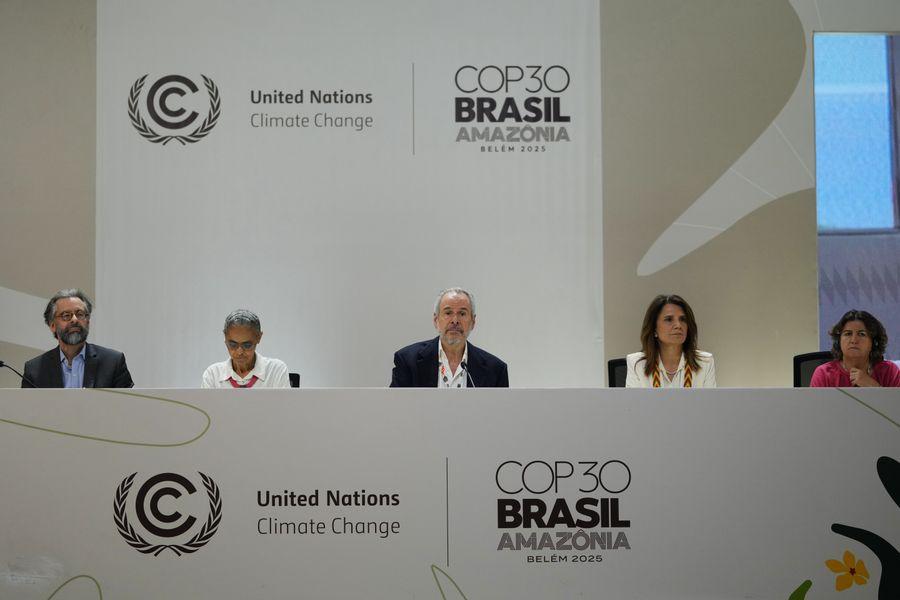
This November, delegates from nearly 200 countries convened in Brazil for COP30 – where COP stands for “Conference of Parties,” and the number 30 reflects the number of such events since the very first one in Berlin in 1995. Stemming from a UN statute adopted in 1992 and bearing the acronym UNFCCC (United Nations Framework Convention on Climate Change), reaching the 30th edition of COP would be a triumph if its success was measured on diplomatic endurance. But it’s not, and the conference’s takeaways could have seemingly been predicted before the final gavel – prioritization of the optics of agreeableness over binding, legally meaningful agreements to address the root cause of climate change: the world’s never-ending coal, oil, and gas emissions.
Rather, what the world saw in Belém was the continued widening chaos between the COP World and the Energy World – with the former defined by performative diplomacy and the latter defined by the unrelenting physics of the global economy. What Brazil’s President Lula deemed the “COP of Truth” felt more like another COP of capitulation. The conference effectively signaled that despite the escalating urgency of limiting greenhouse warming, the global reliance on fossil fuels will continue “until further notice.”
It is tempting to pin the outcome of COP30 on the glaring absence of the United States, led by an administration which has pompously relegated the country’s critical role in the fight against climate change both at home and abroad. Look no further than the administration’s recurrent announcements on unleashing American coal and stopping clean energy projects in their tracks. But the outcome of a United States-less COP30 – with lots of rhetoric and pacts but little needle-moving action – was not new, nor partisan. It was emblematic of a world’s unserious approach to the climate policy plans outlined in COP21’s “Paris Accords,” which yielded steadfast, collective commitments to limit the increase in global temperature to under 2 degrees Celsius above pre-industrial levels.
Senate Heads Toward Approval of Keystone XL Pipeline Bill
GOP Senators Make Case for Keystone; Scott Walker Off To N.H.; FDR on Baseball
New GOP Senators Make Economic Case for Keystone
GOP Stays Stubborn About Climate Change
Or, yet another fossil fuel fakeout. In 2023, I wrote in the Washington Post in “The great fossil fuel phaseout fakeout” about the Biden administration’s hypocrisy in approving the Alaskan oil-producing Willow Project – projected to yield 180,000 barrels of oil per day for 30 years – even as the U.S. delegation to COP28, headed by Vice President Kamala Harris, joined the majority’s resolve to transition away from fossil fuels. Heaven forbid the Biden administration should use political capital to lead on the global stage for a carbon tax – which meta-analyses find are widely successful in slowing emissions – or on the domestic stage for an increase of the gas tax, also proven effective. These two measures would have required meaningful political will from the leader of the free world, but would have successfully incentivized decarbonization around the world and encouraged an actual transition away from fossil fuels, very much critical for the safety and well-being of future humans.
The cost of this fakeout’s inaction is no longer theoretical. The current global temperature is already hovering around 1.5 degrees above pre-industrial levels, with no sign of abating, paralleled by an ever-rising atmospheric carbon concentration, which now stands at a historic high of roughly 430 parts per million. And with these come the never-ending streamers of record-breaking wildfires, heat waves, flooding, hurricanes, and more, all with much of the world’s most vulnerable populations in the crosshairs of sea-level rise. This is a problem that, in the absence of groundbreaking technology, will get much worse before it gets better – if it gets better.
But none of this is surprising. Many delegates leaving Brazil may have felt disappointment, but once again, it was victory for the status quo. It was a confirmation that the world is unwilling to revisit, relitigate, and reimplement the action plan outlined in Paris 10 years ago, despite this plan never being more urgent or paramount for the future of mankind.
And while, of course, the United States’ presence was sorely missed – with COP30’s fossil fuel interests emboldened, allowing them to dig in their heels – it feels almost repetitive to recent COP conferences with the country’s leadership.
Once again, the world stands unmoved by the wrath of climate change. The United States’ chair was empty, but even when full, the drilling continued.
Support Our Mission
The Internet provides an endless stream of content. Not all of it is worth your time. That's why, every day, RealClearPolitics curates the most essential news and information—from all sides and across mediums. The links, videos, and podcasts curated here are the product of human judgment, not algorithms or AI. Please help power our mission of presenting a thoughtful, balanced public discourse through a tax-deductible donation.
Would you consider supporting us today?

Newsom Defies Voters, Juries and Lawmakers To Spare Murderers While Defending Abortion
Curtis Hill • RealClearPolitics
The Algorithmic Tilt
Frank Filingeri • RealClearPolitics
A RealClear Thanksgiving: Investing in a Better Future
David DesRosiers • RealClearPolitics
Trump’s Newsom Problem: Antagonist-in-Chief
Carolina Lumetta • RealClearPolitics
America’s Free Spirit
John Maxwell Hamilton • RealClearPolitics
The GOP Majority Should Go Out in Glory
Daniel McCarthy • RealClearPolitics
RCP Today
Top stories on RealClearPolitics
The Takeaway
Polling intelligence and analysis delivered to your inbox
World News
Featuring the latest world news
Policy
Featuring the latest policy news
Support Our Mission
As part of RealClearPolitics, authors aim to provide balanced, non-partisan analysis by presenting top reporting and commentary from all sides of the political spectrum.
Trusted by policymakers and citizens alike since 2000