National Democrats Approve Early Caucus Voting for Nevada
Published Nov. 26, 2019 • Read time: 3m
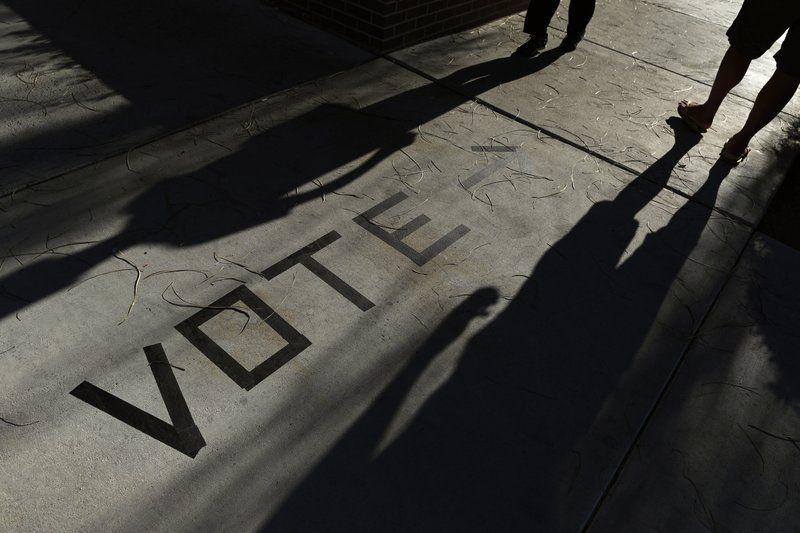
LAS VEGAS (AP) — The Democratic National Committee has approved a plan by Nevada Democrats to offer the first-ever early voting option for presidential caucuses, a change stemming from a push to make the in-person presidential nominating meetings more accessible.
The state party’s chairman, William McCurdy II, and the DNC chairman, Tom Perez, intend to hold a conference call on Monday to announce the approval of the plan, the party confirmed.
Besides offering four days of early voting, Nevada’s plan calls for releasing raw vote totals from the caucus, offering caucus materials in Tagalog for the state’s growing Filipino population and having caucus workers use an app instead of paper to record and transmit results to party officials.
“The primary goal in crafting this plan was to ensure as many Nevada Democrats as possible are given the opportunity to make their voice heard and I believe we will do that in 2020,” McCurdy said in a statement. “Nevada plays a critical role in the presidential primary and we take our role as an early state incredibly serious.”
The shift in Nevada, which votes third in the Democratic presidential primary, comes as Democrats have been encouraging state parties to find ways to increase participation in caucuses or instead hold primaries.
Traditional caucuses require voters show up in person at neighborhood sites at a specific time and break into groups to demonstrate their support for their chosen candidate. Critics have said the format is difficult for people to participate in, especially if they’re homebound, have to work or have young children.
Sanders Seeks Caucus Trifecta Win to Close Delegate Gap
Sanders Fighting Perception He Can't Overcome Clinton Edge
Clinton Targets Trump as Sanders Circles
Sanders, Clinton Differ Sharply at Flint Debate
To allow for an alternate way to participate, Nevada and fellow early voting state Iowa had sought earlier this year to allow people to vote in their 2020 caucuses over the telephone. But DNC officials rejected the plan in August, citing security concerns.
Nevada is instead relying on four days of early voting to boost turnout, running Feb. 15-18. The early results will be kept confidential until vote totals are released from the state’s main caucuses on Feb. 22.
The early voting will be an abbreviated version of the in-person meetings, allowing Democrats to stop by caucus sites and fill out forms listing their preferred candidate and up to four alternatives.
It’s unclear whether campaigns will try to encourage early caucusing to lock in support sooner, but the changes likely will force the candidates to spread their intense get-out-the-vote push into multiple days.
The DNC also has signed off on Nevada Democrats’ plan to have workers running the caucus meetings use an app to tabulate results, determine if a candidate has enough support and calculate how many delegates they’ve earned. The app will report the results to the Nevada State Democratic Party.
In past years, results were recorded by hand on paper and transmitted to the party headquarters via telephone and mail.
The party plans to release more information about the app in the coming weeks.
(c) Associated Press

A RealClear Thanksgiving: Investing in a Better Future
David DesRosiers • RealClearPolitics
Trump’s Newsom Problem: Antagonist-in-Chief
Carolina Lumetta • RealClearPolitics
America’s Free Spirit
John Maxwell Hamilton • RealClearPolitics
The GOP Majority Should Go Out in Glory
Daniel McCarthy • RealClearPolitics
Republican Majorities Could Return Sooner Than Expected
J.T. Young • RealClearPolitics
The Danger Before the Attack
Leslie J. Sullivan • RealClearPolitics
RCP Today
Top stories on RealClearPolitics
The Takeaway
Polling intelligence and analysis delivered to your inbox
World News
Featuring the latest world news
Policy
Featuring the latest policy news
Support Our Mission
As part of RealClearPolitics, authors aim to provide balanced, non-partisan analysis by presenting top reporting and commentary from all sides of the political spectrum.
Trusted by policymakers and citizens alike since 2000