Trump Hasn't Kept His Promise to Reduce Drug Prices
COMMENTARY
Published Feb. 14, 2019 • Read time: 4m
I no longer spend much time in Washington, but having spent a lifetime in elected office in south Mississippi, many of my former constituents still ask me for help on all matters. Unquestionably, the most common problem people struggle with is access to affordable health care.
Across America, working families worry about their long-term access to health care, and President Trump rode this wave of concern into the White House. He made a compelling case, to millions of disaffected voters, that neither Democrats nor Republicans were serious about cutting drug prices -- but that he could. After all, in business, Donald Trump had perfected the “Art of the Deal” and was going to use those same negotiating skills to force the pharmaceutical companies to lower their prices.
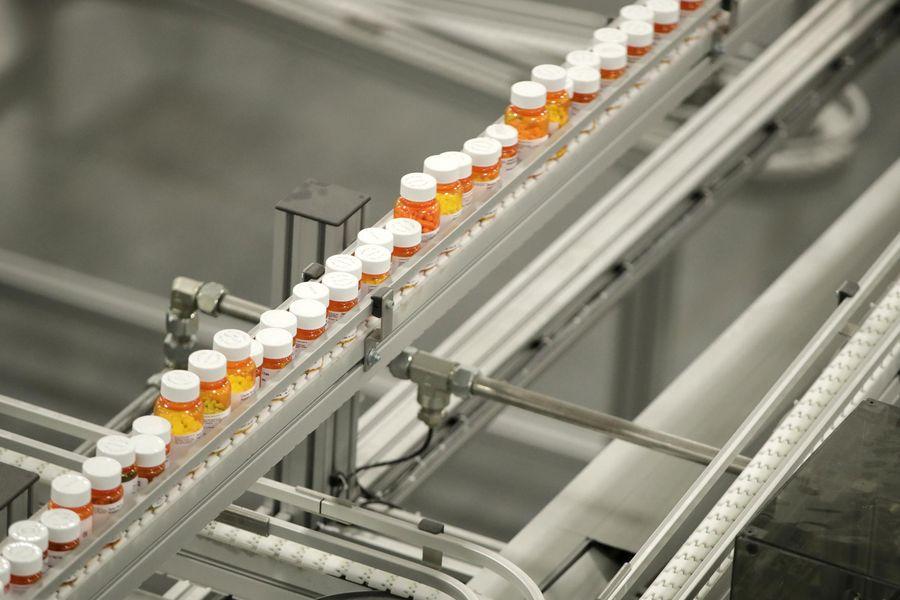
Yet, here we are, more than halfway into the president’s term, and drug prices are not coming down. The president claimed in his State of the Union address that “as a result of my administration’s efforts, in 2018 drug prices experienced their single largest decline in 46 years.” Not surprisingly, an analysis found that prices are still going up, just not rising as fast as before. And, I don’t know anyone who relies on prescription drugs that thinks the prices of their medications are going down.
Sadly, the Trump administration is not taking any bold measures to bring down drug prices – unless you believe attacking drug companies over Twitter is working.
Equally ineffective is a new proposed rule released by the Department of Health and Human Services that blocks drug companies from offering rebates on their drugs to pharmacy benefit managers (PBMs) and health insurers. The Trump administration estimates HHS’s proposed rule could bring down drug prices by as much as 30 percent. If this sounds too good to be true, that’s because it is.
First, the rebates are used by PBMs and health insurance companies to offset their costs for the drugs, and those discounts result in lower prices for patients. While I wish PBMs and insurance companies would pass more of those cost savings onto patients, there can be little doubt that it reduces drug prices. More importantly, since it is against the law for Medicare to negotiate prices with drug companies, the rebate system is the only check on drug companies that incentivizes cost savings for patients.
Second, HHS believes that if the pharmaceutical companies don’t have to give rebates to PBMs and insurers, then the drug companies can lower the prices of their products, and that those lower prices will be passed on to patients. That would be nice, but does anyone believe that the drug companies will voluntarily reduce their prices by 30 percent?
After all, drug companies like making money. In fact, a recent government report found that the pharmaceutical industry has some of the highest profit margins of any businesses. I believe House Speaker Nancy Pelosi said it best: “Experience tells us that merely trusting Big Pharma to lower its drug prices for consumers is not a solution, it's a prescription for more of the same."
According to President Trump, last year the drug industry spent more on lobbying than “tobacco, oil, and defense contractors combined.” Which is not surprising, since the pharmaceutical industry knows it would be in trouble if Congress ever sided with the American people over the drug companies.
In the 2018 midterm elections, the American people’s top concern was their inability to pay for health care. Unless the president gets serious about bringing down drug prices -- and asking the pharmaceutical companies to do so voluntarily is not realistic -- it will cost him dearly in 2020. As a Democrat, that makes me happy. But as an American, I would rather see my former constituents be able to afford their medications.

RCP Today
Top stories on RealClearPolitics
The Takeaway
Polling intelligence and analysis delivered to your inbox
World News
Featuring the latest world news
Policy
Featuring the latest policy news
Support Our Mission
As part of RealClearPolitics, authors aim to provide balanced, non-partisan analysis by presenting top reporting and commentary from all sides of the political spectrum.
Trusted by policymakers and citizens alike since 2000