Biden Infrastructure
Infrastructure: The View From the States
COMMENTARY
Published July 23, 2021 • Read time: 4m
As support for President Biden’s infrastructure plan waxes and wanes, governors, mayors and other state and local lawmakers across the country wait with bated breath in the hopes of much needed infrastructure spending, which has become a life or death issue in communities across the country.
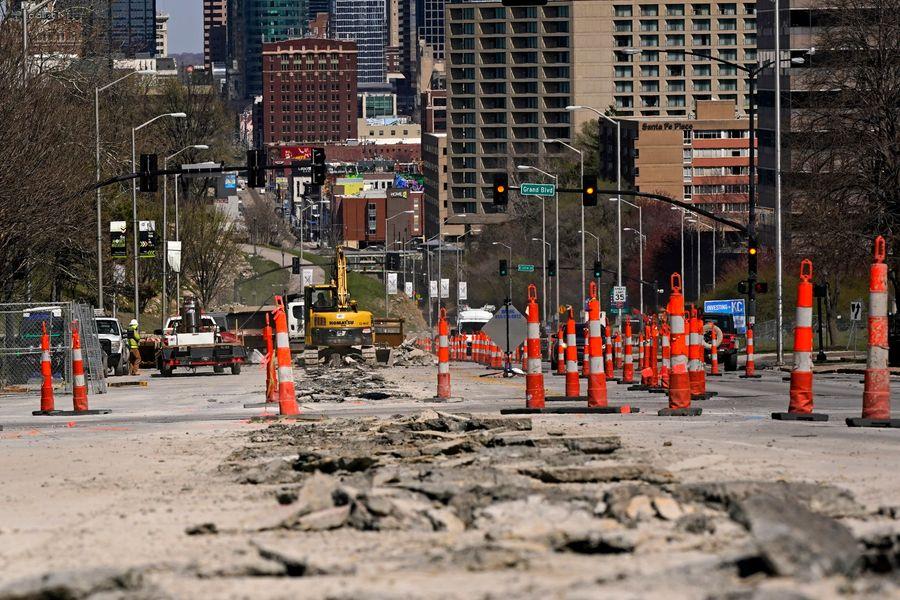
The overall picture is well-known: The United States of America is, by most measures, the wealthiest country in the world, yet it ranks 13th when it comes to the overall quality of our infrastructure. The American Society of Civil Engineers gave the nation’s infrastructure an average grade of D+ in its 2017 report, meaning conditions were “mostly below standard,” exhibiting “significant deterioration,” with a “strong risk of failure.” After decades of disinvestment, our roads, bridges, and water systems are crumbling. As we saw in Texas earlier this year, our electric grid is vulnerable to catastrophic outages. In Miami and Washington, D.C., recently, we watched in horror at the catastrophic collapse of a condominium building and a pedestrian bridge. And of course we are all too familiar with the ongoing water crisis in Flint, Mich., which sadly is not an isolated incident as many communities experience the deterioration of options for clean and safe drinking water.
There are multiple, often-complex factors driving the decay in state infrastructure – high costs, slow approval processes, and lack of agency expertise just a few among them. But the primary cause is simple – declining state and federal investment in infrastructure. Public domestic investment as a share of the economy has fallen by more than 40% since the 1960s. At the state level, improved fuel efficiency, increased use of electric and hybrid vehicles, and slow growth in vehicle miles traveled have hamstrung the primary state revenue mechanism, the gasoline tax. Anti-tax absolutism by conservative state legislators has hampered efforts to either increase gas taxes or seek alternative sources of revenue in many states. While some states have bitten the bullet and increased gas taxes, imposed fees on electric vehicles, indexed taxes to an economic indicator such as CPI, or created new tolling programs, many others have resorted to unsustainable levels of borrowing, stealing from other general fund programs, or other short-term financial gimmickry. As a result, state transportation funding shortfalls have been in a near constant state of crisis for more than a decade.
BART Is Not a Homeless Shelter
Thank Gridlock for Economic Turnaround
Infrastructure Is Not the Problem
Take the Public-Private Road to Efficiency
Earlier this month President Biden visited Wisconsin, which, like many states in the Upper Midwest, has experienced recent challenges managing flooding and other weather events. Just two years ago, the northern part of the state was hit with powerful storms that brought much of the state’s infrastructure in those areas to the brink. In the end it cost the state tens of millions of dollars just to get power systems back online and roads cleared. Nor were the emergency funds provided — welcome though they were — nearly sufficient to cover the total costs incurred, let alone to enable the state to plan for and protect against future storms. Overall, Wisconsin has experienced 16 extreme weather events totaling $10 billion worth of damage over the past decade.
Sadly, nearly every state and city in America can relate, which is why lawmakers on both sides have been vocal about the need to get a bill passed quickly. For example, Democratic Gov. Andrew Cuomo of New York and Republican Gov. Asa Hutchinson of Arkansas issued a joint statement on behalf of the bipartisan National Governors Association calling infrastructure “one of the few truly bipartisan issues.” A recent survey from the National League of Cities found that 91% of local officials said insufficient funding was the top factor impacting their decisions when it comes to local infrastructure projects. In Wisconsin, the mayors of the five largest cities joined in the chorus of mayors from across the country and recently penned a joint op-ed on the need for increased infrastructure spending and supporting the American Jobs Act.
Americans agree. Strong majorities support the president’s infrastructure bill and even larger numbers support broader investments. Yet, despite all of the public support, calls for action from governors, mayors and other state and local legislators, lawmakers in Washington continue to posture and delay, threatening this critical relief. Meanwhile, states, territories and cities are left to watch and hope as Washington fiddles while their infrastructure crumbles.

Newsom Defies Voters, Juries and Lawmakers To Spare Murderers While Defending Abortion
Curtis Hill • RealClearPolitics
The Algorithmic Tilt
Frank Filingeri • RealClearPolitics
A RealClear Thanksgiving: Investing in a Better Future
David DesRosiers • RealClearPolitics
Trump’s Newsom Problem: Antagonist-in-Chief
Carolina Lumetta • RealClearPolitics
America’s Free Spirit
John Maxwell Hamilton • RealClearPolitics
The GOP Majority Should Go Out in Glory
Daniel McCarthy • RealClearPolitics
RCP Today
Top stories on RealClearPolitics
The Takeaway
Polling intelligence and analysis delivered to your inbox
World News
Featuring the latest world news
Policy
Featuring the latest policy news
Support Our Mission
As part of RealClearPolitics, authors aim to provide balanced, non-partisan analysis by presenting top reporting and commentary from all sides of the political spectrum.
Trusted by policymakers and citizens alike since 2000