
Employer Ban Is Key to Ending Distracted Driving
Published Oct. 11, 2013 • Read time: 4m
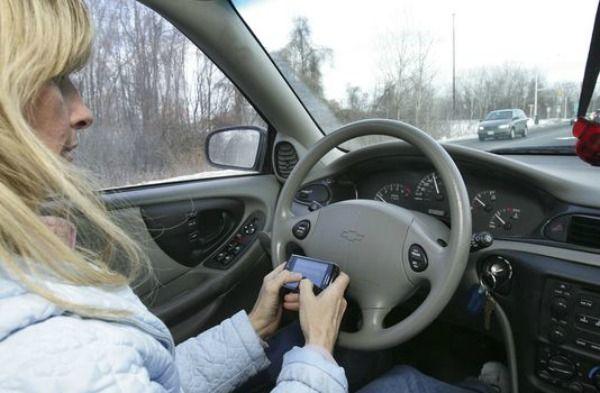
Cellphone distracted driving is a public safety epidemic. The National Safety Council estimates cellphone use is involved in 25 percent of all crashes in this country. Cellphone distracted driving also is a multi-faceted problem. Employers play a role in ending one of the biggest threats on our roadways today. Through cellphone distracted driving policies, employers can both protect their employees while reducing their liability risk.
Implementing organization-wide cellphone policies that completely ban cellphone use -- handheld and hands-free -- and cover all employees is an effective way to reduce car crashes, which are the leading cause of workplace fatalities. Employees are an organization’s greatest asset, and employers have an obligation to protect them.
Drivers also have a responsibility to their passengers and others on our roadways to drive safely. At least one study indicates drivers do not respect the people in other vehicles enough. The AAA Foundation for Traffic Safety found 88 percent of drivers do not feel safe sharing the roads with distracted drivers. If employers allow employees to use cellphones while driving for business purposes, or if employers simply don’t condemn the practice, what message are employers sending to a driving public concerned about safety? Implementing cellphone distracted driving policies is one way for organizations to demonstrate their commitment to the safety and well-being of their employees. Many organizations have recognized this in the last few years.
The Empty Promises of Trump and Sanders
Good News for Discouraged Workers
A Vote for Trump Is a Vote Against American Consumers
First Lady Honors Pioneering Female Air Force Officer
The response to a 2008 train crash in Chatsworth, Calif., is a good example of strong employer action and an effective risk reduction effort. A Metrolink commuter train driver who was later found to be texting failed to stop for a signal and collided head-on with a freight train, killing 25 people and injuring 135 others. As a result of the involvement of cellphone use, the Federal Railroad Administration passed a total ban on the use of electronic devices by railroad operating employees nationwide. Far more people die each year in car crashes than train crashes. Thousands of lives could be saved if all organizations followed the FRA’s lead -- and did so not only for the safety of employees. The threat to an organization’s bottom line is very real, and lawsuits involving employee cellphone-related crashes are resulting in large judgments, some exceeding $20 million. The NSC has published a white paper, “Employer Liability and the Case for Comprehensive Cell Phone Policies,” which details some of these crashes and judgments.
Employers are required to ensure that employees follow federal, state and municipal laws and regulations. However, policies that only comply with laws often leave employers exposed to liability resulting from employee crashes. That is why employers should implement policies that exceed requirements of state laws and the U.S. Department of Transportation and the Occupational Safety and Health Administration. Cellphone use while driving should be addressed the same as other occupational safety issues -- by implementing policies and procedures that reduce risk. Employers can, and have been, held liable for actions that meet legal requirements but are not best safety practices. An employer can be held liable if an employee using a hands-free device is involved in a car crash. Hands-free is not risk-free; drivers using handheld or hands-free devices are four times as likely to crash. There isn’t a way to operate a vehicle and use a cellphone safely. There also isn’t a way for employers to help protect their employees and reduce risk without cellphone distracted driving policies.
Drivers are facing increased societal pressure to stop using cellphones. For some, policies or laws will be the only incentive for change. Employers need to reduce risk and protect their workers, and cellphone distracted driving policies can help them accomplish that. Implementing organization-wide cellphone policies may seem daunting, but it does not have to be. NSC offers a free downloadable Cell Phone Policy Kit for employers who are interested in implementing total-ban policies at their organizations.
The time for organization leaders to act is now. By taking the lead on this important issue, employers can help ensure the roadways are safer for everyone.

Congress Doesn’t Need Another Blame Game. It Needs To Find What’s Broken
Jarrod Bernstein • RealClearPolitics
Democrats Won the Midterms. Common Sense Won, Too
Jordanne Kemper • RealClearPolitics
The 120th Congress Shapes Up
Carolina Lumetta • RealClearPolitics
Flooding GOP Primaries With Democrats
Robert Natelson • RealClearPolitics
Washington Keeps Rewarding Oracle—Veterans Keep Paying the Price
Darin Gaub • RealClearPolitics
The Seeds of Unrestricted Warfare
John Teichert • RealClearPolitics
RCP Today
Top stories on RealClearPolitics
The Takeaway
Polling intelligence and analysis delivered to your inbox
World News
Featuring the latest world news
Policy
Featuring the latest policy news
Support Our Mission
As part of RealClearPolitics, authors aim to provide balanced, non-partisan analysis by presenting top reporting and commentary from all sides of the political spectrum.
Trusted by policymakers and citizens alike since 2000