
New EPA Regulations Mean Higher Gas Prices
Published April 2, 2013 • Read time: 3m
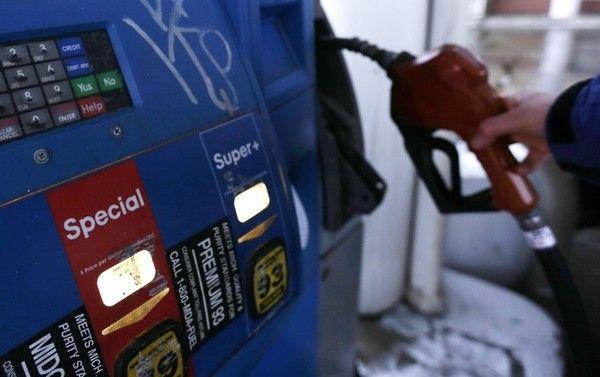
It’s no secret that the White House, regardless of Administration, releases unpopular news on Friday afternoons. On the popular television drama West Wing, the fictional Bartlett Administration calls it “Take out the trash day.” We shouldn’t be too surprised that the Obama Administration released Environmental Protection Agency (EPA) regulations that will increase the price at the pump on Good Friday.
The EPA’s new Tier 3 regulations require a reduction in the amount of sulfur in gasoline to an average of 10 parts per million (ppm) by January 2017, down 70 percent from the current average of 30ppm today. The new regulation is similar to those standards of California, Japan, and South Korea.
A study commissioned by the American Petroleum Institute found that reducing sulfur to 10ppm will increase gas prices 6 cents to 9 cents per gallon—although the study does not specifically analyze the newly proposed EPA regulation. The analysis also mentions that if the EPA proposes an additional vapor reduction regulation, that cost increase will skyrocket to 25 cents per gallon.
The EPA contends that the Tier 3 regulations would add $3.4 billion per year in compliance costs passed on to the consumer, but that in 2030, the annual monetized health benefits (which have been exaggerated) would be between $8 billion and $23 billion. The refining industry, however, is saying the rule would be far more expensive, provide minimal environmental benefits, and that those costs would be passed down to the consumer—if the refineries can even stay in business. Because refineries operate on such thin margins already, implementation of these regulations could result in a number of refinery closures. Such closures could squeeze supply chains and further increase the price of gas.
Senate Heads Toward Approval of Keystone XL Pipeline Bill
GOP Senators Make Case for Keystone; Scott Walker Off To N.H.; FDR on Baseball
New GOP Senators Make Economic Case for Keystone
GOP Stays Stubborn About Climate Change
Dramatic improvements have already been made in reducing sulfur in gasoline. The Tier 2 regulations finalized in 2000 and fully implemented in 2006 have reduced the sulfur content in gasoline 90 percent since 2004. As president of the trade group American Fuel and Petrochemical Manufacturers Charlie Drevna testified, those gains will continue to occur:
EPA data shows that total emissions of the six principal air pollutants in the United States have dropped by 57 percent since 1980 and ozone levels have decreased by 30 percent. These reductions occurred even as industrial output and the number of vehicles on the road have increased. EPA data indicates there will be continued reductions in the years ahead under regulations already in place.
The increased stringency of the sulfur regulation in gasoline will add costs to families already struggling to pay at the pump for little environmental benefit. The Tier 2 regulations in place are stringent enough that the costs to Americans for additional EPA regulations will be high and the benefits will be minimal.
Congress should use any means necessary to prevent the EPA from implementing Tier 3 gas regulations.

The Danger Before the Attack
Leslie J. Sullivan • RealClearPolitics
Jon Finer’s Old and Dangerous ‘New Approach’ to Israel
Peter Berkowitz • RealClearPolitics
The President Deserves Better
John Ullyot • RealClearPolitics
Congress Doesn’t Need Another Blame Game. It Needs To Find What’s Broken
Jarrod Bernstein • RealClearPolitics
Democrats Won the Midterms. Common Sense Won, Too
Jordanne Kemper • RealClearPolitics
The 120th Congress Shapes Up
Carolina Lumetta • RealClearPolitics
RCP Today
Top stories on RealClearPolitics
The Takeaway
Polling intelligence and analysis delivered to your inbox
World News
Featuring the latest world news
Policy
Featuring the latest policy news
Support Our Mission
As part of RealClearPolitics, authors aim to provide balanced, non-partisan analysis by presenting top reporting and commentary from all sides of the political spectrum.
Trusted by policymakers and citizens alike since 2000